Roof Leak or Attic Condensation in Longview and Kelso


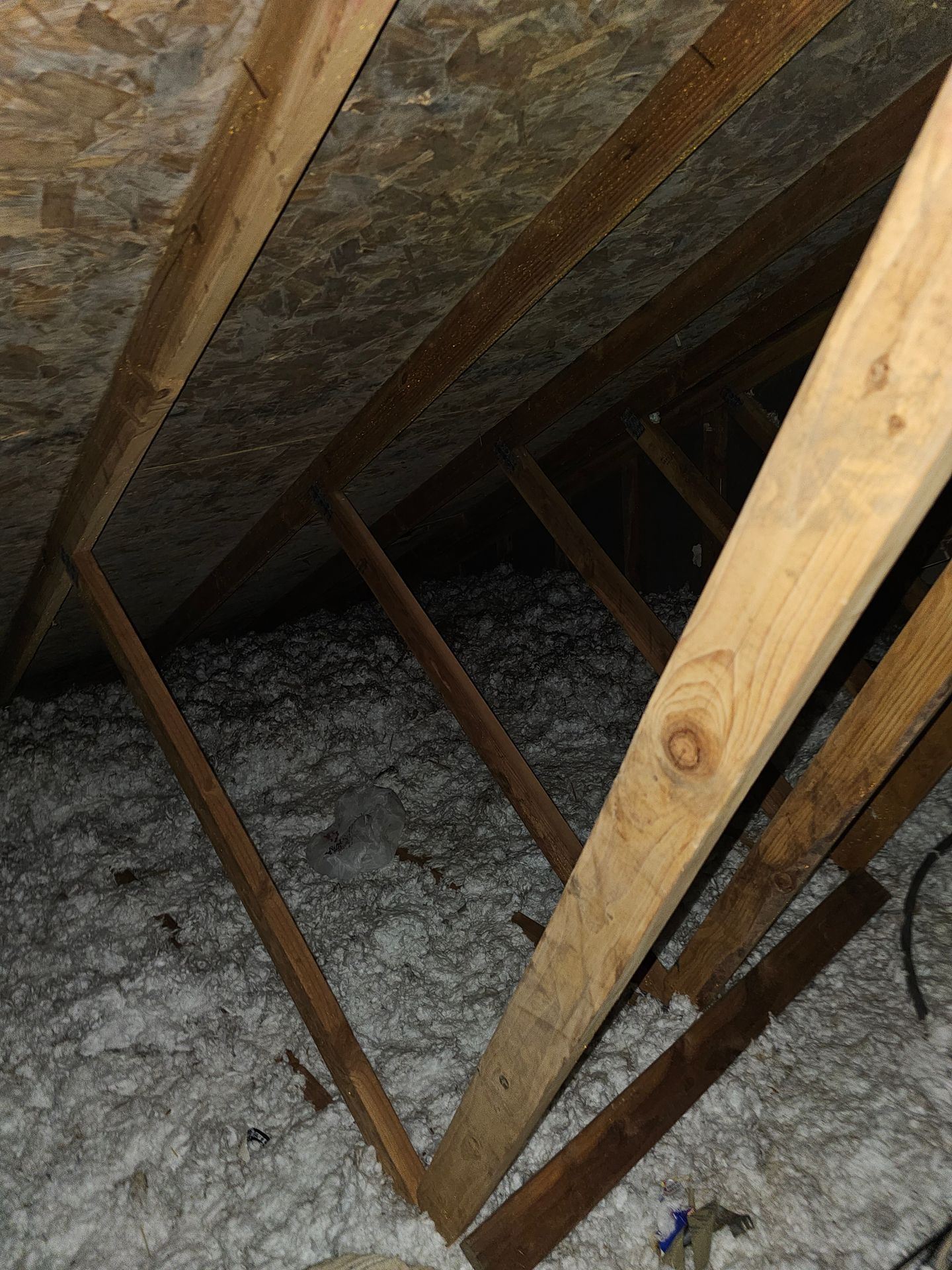
A ceiling stain or damp attic deserves attention, but it does not tell you where the water started. Rain can enter through a roofing defect. Moist indoor air can also condense on a cold surface. Those problems need different checks, and a home can have more than one moisture source.
For homeowners in Longview and Kelso heading into cooler weather, the useful first step is a clear record of what happens and when. You do not need to climb onto the roof or decide which repair to buy before asking for help.
What your observations can tell a roofer
Write down the room, the date you first noticed the problem, and whether the area is wet now. If it changes, take another photo from the same safe position. A photo of the whole ceiling or wall helps locate a close-up of the stain.
Notice whether water appears during rain, after rain, or during a dry stretch. Include any recent roofing work, plumbing work, bathroom-fan changes or previous repairs. These are clues for an inspection, not a test that proves the cause. Water can travel before it becomes visible inside.
If a ceiling is bulging or water is near electrical fixtures, keep people away from the affected area and get appropriate urgent professional help. Do not enter a wet or unsafe attic. Leave roof access and testing to a qualified professional.
What a roof leak inspection looks for
Roofing materials, flashing and roof penetrations are part of the inspection. Flashing helps manage water at transitions such as a chimney, wall or vent. A failure in one detail may need a focused repair, while the surrounding roof condition affects the broader recommendation.
Ask the inspector to show you the evidence for the proposed entry point and explain any uncertainty. A ceiling stain alone is not enough to specify a repair. Our roof-to-wall flashing guide explains one of the details that can matter.
Why condensation needs a different conversation
Condensation forms when moist air meets a surface cold enough for that moisture to turn into water. In an attic, the underside of the roof deck can be that surface. Moisture control may involve where indoor air is escaping, how exhaust air is routed, insulation and the design of the roof assembly.
For a vented attic, intake and exhaust need to work together. Adding a vent without evaluating the system is not a diagnosis or a complete plan. A deliberately unvented roof assembly also needs a different assessment. Do not block openings or alter insulation based on a general checklist.
Ask whether the recommendation addresses the moisture source as well as visible damage. Depending on the findings, work may involve a roofing contractor and another qualified building or mechanical professional. New shingles alone do not establish that an indoor moisture problem has been corrected.
Questions to ask before authorizing work
What evidence points to rain entry, condensation or another source? Which parts of the roof and accessible attic were checked? What could not be inspected? What work is included, and what would require another trade? How will additional damage be documented and approved?
Get the proposed scope and applicable warranty terms in writing. Ask what follow-up observation is appropriate and whom to contact if the symptom returns. Keep your photos and the inspection notes together so a later visit starts with useful history.
Request the right next step
Revival Roofing & Exteriors handles roof repair and leak inspections for homeowners in Longview, Kelso, Castle Rock, Kalama and Woodland. Tell us the project city, when you notice moisture, and whether water is actively entering the home.
Request a roofing inspection or call 360-559-5836 to discuss current availability. Photos you can take safely inside or from the ground are helpful. An appointment and repair scope need to be confirmed after we discuss the situation.
Further reading
GAF explains attic ventilation and the differences between vented and unvented attics. These are general technical references; your roof assembly and manufacturer instructions govern the details.