Roof-to-Wall Flashing in Longview: A Homeowner’s Guide


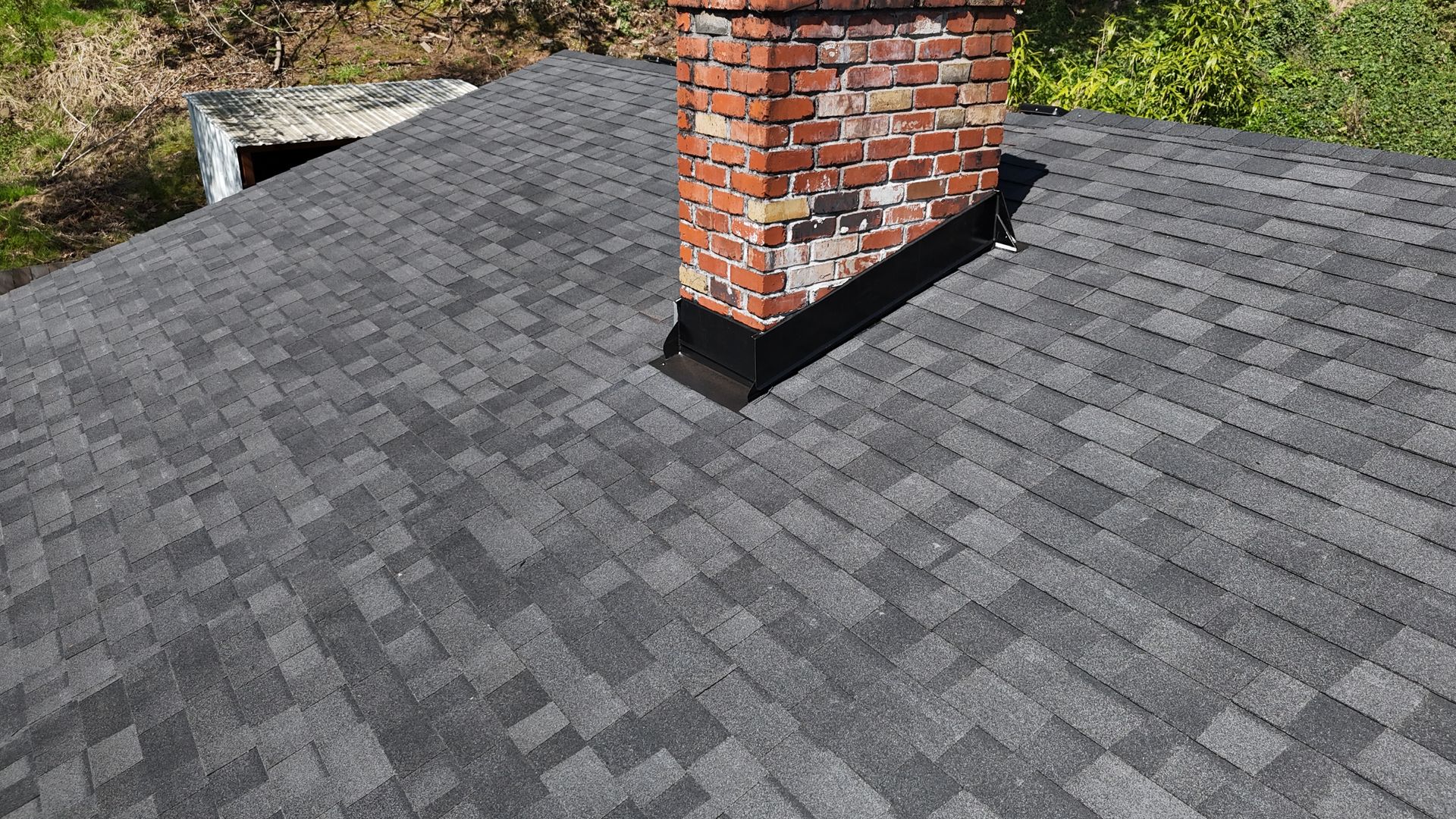
The shingles can look fine while the area beside a wall needs attention. That is why a leak inspection should include the places where the roof meets siding, trim, chimneys, and other building features.
For Longview homeowners, understanding the proposed flashing work makes it easier to compare estimates and ask useful questions. You do not need to know how to install the assembly yourself. You do need to know what the contractor intends to repair.
What flashing does at a sidewall
Flashing helps direct water across transitions between building materials. At a shingle roof’s sloping sidewall, step flashing works with the roofing and wall drainage layers. At the lower end, a kick-out detail directs runoff away from the wall and toward the gutter.
The relationship between those layers matters. The Building America Solution Center explains that flashing must integrate with the roof and wall drainage planes so upper layers shed water over lower layers. Missing or poorly integrated details can let water enter the wall assembly. See the roof-to-wall flashing guidance.
That makes “replace the flashing” an incomplete description on its own. The estimate should also explain the access and adjacent work needed to install it correctly.
Why the siding can be part of a roof repair
Some flashing work requires access behind or alongside the siding. Depending on the existing assembly, that can involve removing material, making a planned siding adjustment, or replacing a trim detail. A narrow repair opening and a larger siding repair are different scopes, with different costs.
Ask the contractor to explain the proposed finish before the work starts. Which materials will be disturbed? What trim will be added or replaced? How will the transition look when the job is complete?
Clear scope language is especially useful when one contractor is handling the roof and another is handling the siding. Decide who is responsible for each part of the transition, and make sure the two scopes connect.
Ask what a sealant repair is intended to achieve
Sealants have specific uses within roofing systems. If a proposed repair relies on sealant, ask what condition it addresses and whether it is a temporary measure or part of a complete, specified repair.
The appearance of a finished bead does not explain the condition of materials behind it. Ask for the reason behind the method, the expected limitations, and any follow-up work that may be needed. A useful estimate should make that distinction understandable without asking you to become a roofing specialist.
Set expectations for concealed damage
A visual inspection cannot establish the condition of every concealed surface. If opening the affected area reveals damaged material, the next step should be documented before the repair scope expands.
Ask these questions before authorizing the project:
• What area will be opened, and what is outside the quoted scope?
• Will I receive photographs of newly exposed damage?
• How are additional repairs priced and approved?
• Who will restore the siding, trim, and finishes?
• What repair and warranty documents will I receive?
These questions help both sides understand the work and reduce confusion when a repair involves more than one exterior material.
Have the transition assessed
If you are seeing a recurring leak beside a wall or damage near the roofline, include that detail when requesting an inspection. Photographs and a description of when the issue appears can help start the discussion.
Revival Roofing & Exteriors provides roofing services and siding repair and replacement in Longview and surrounding communities. Request an inspection or call (360) 559-5836 to discuss the affected area.